Muaman sadu (Äidin puutarha)
Ritva Tuomi & Lumi Tuomi
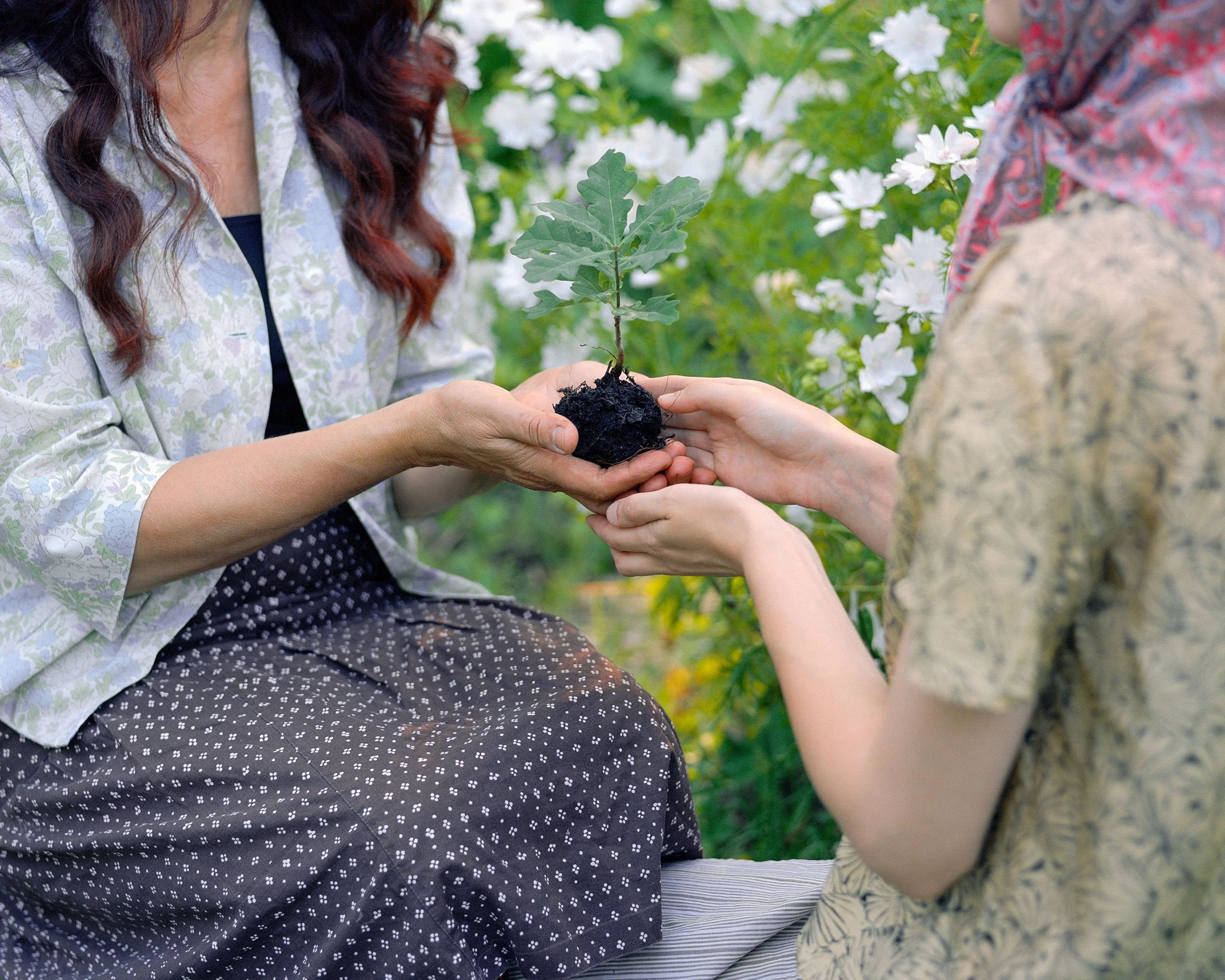
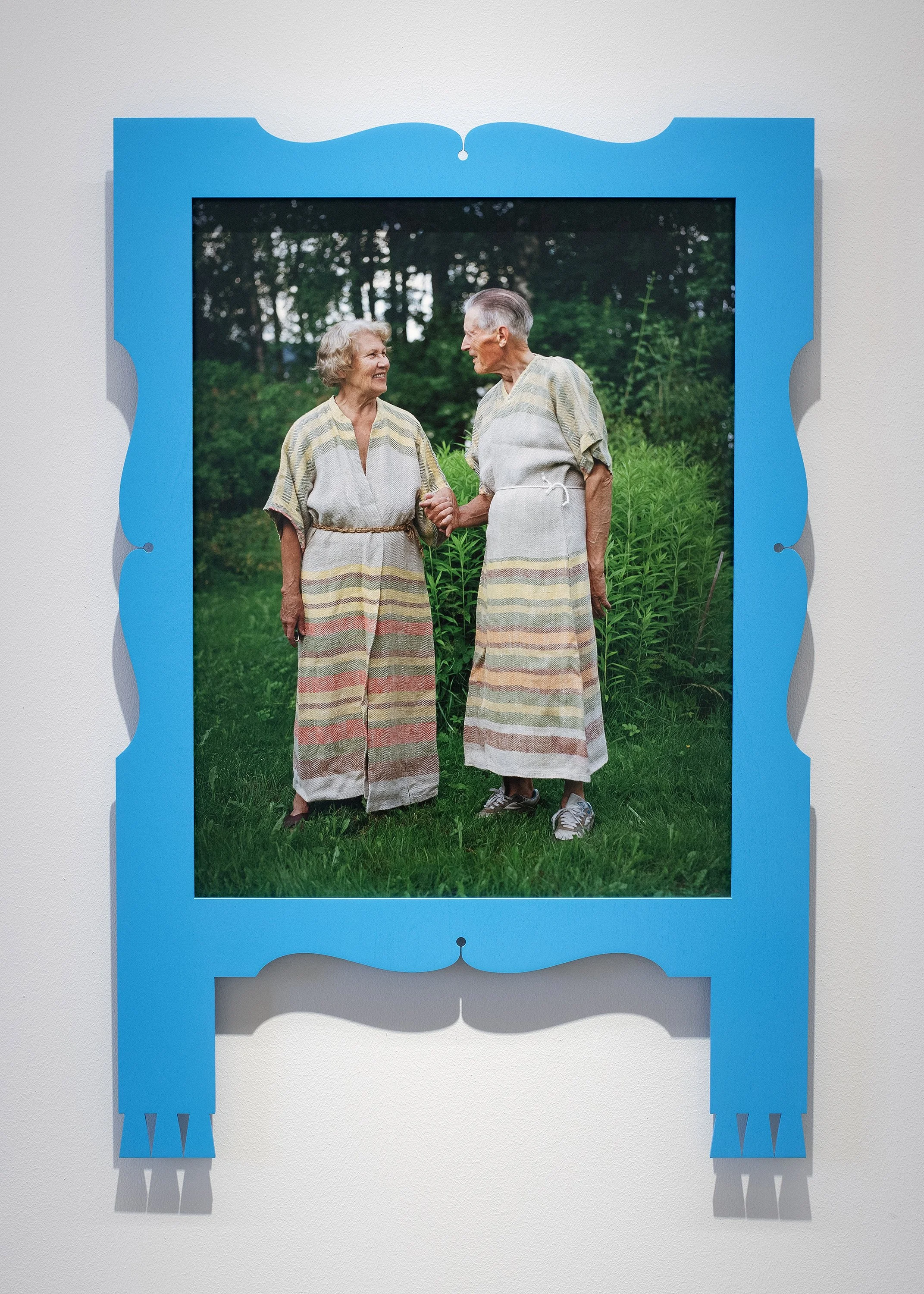
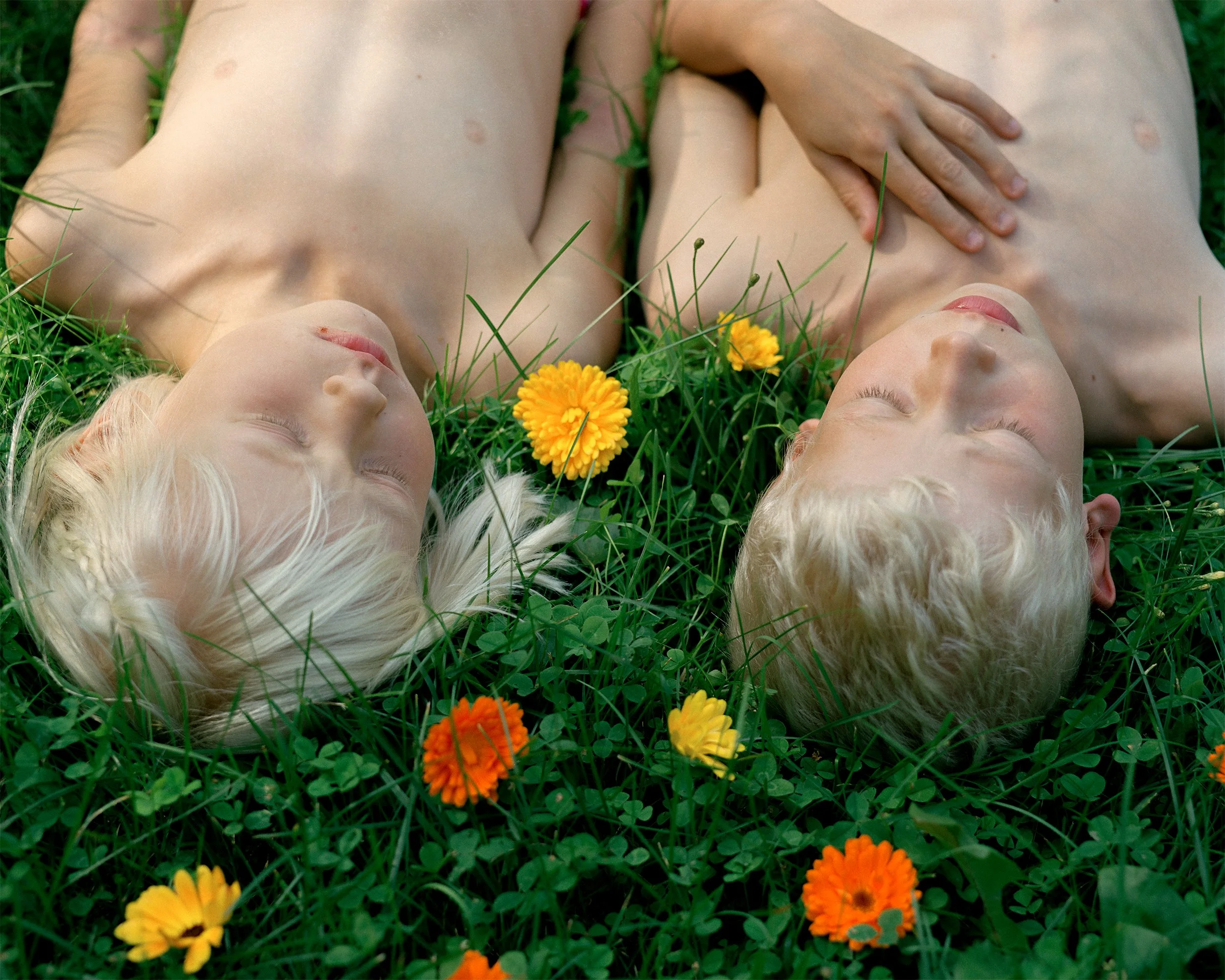
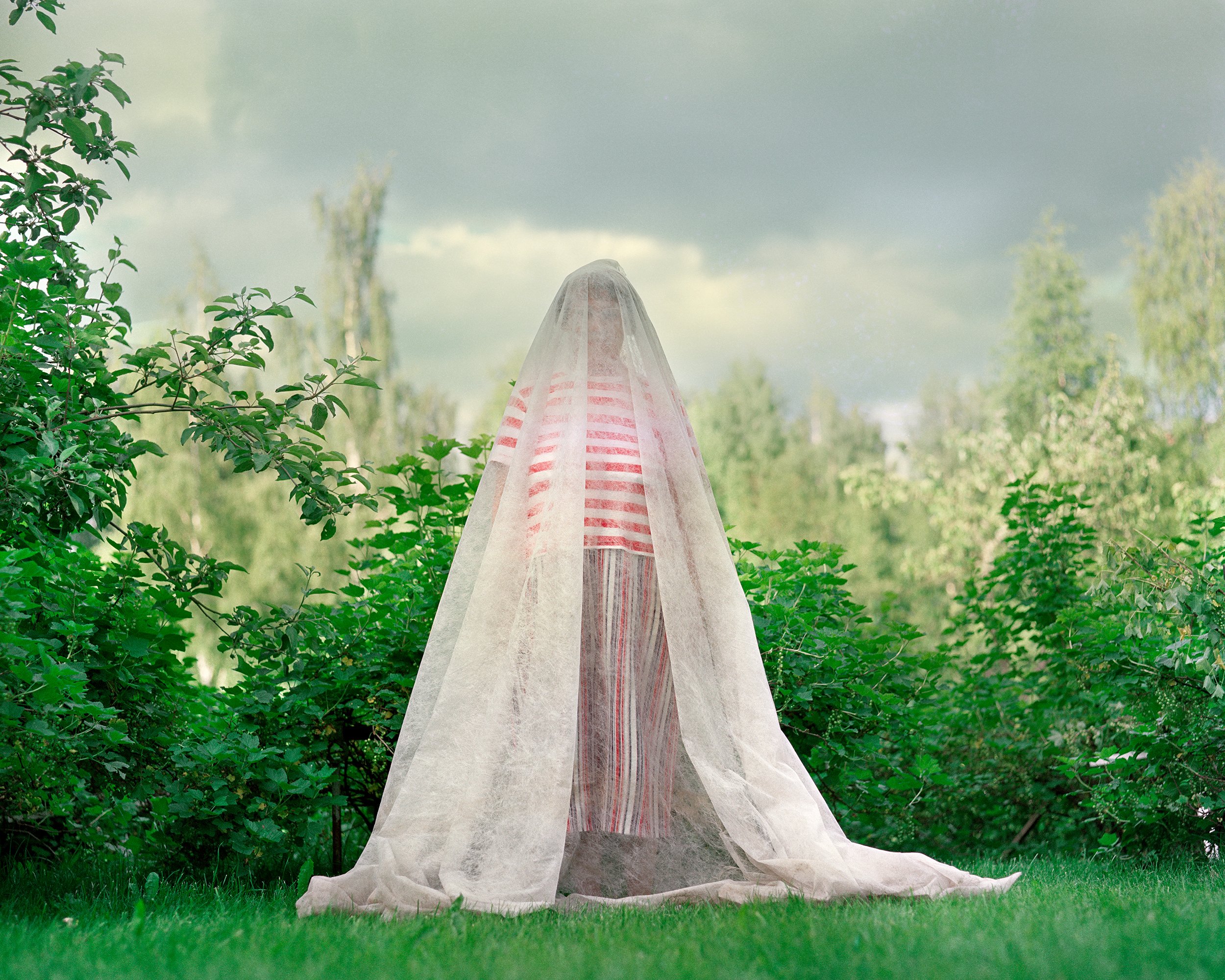
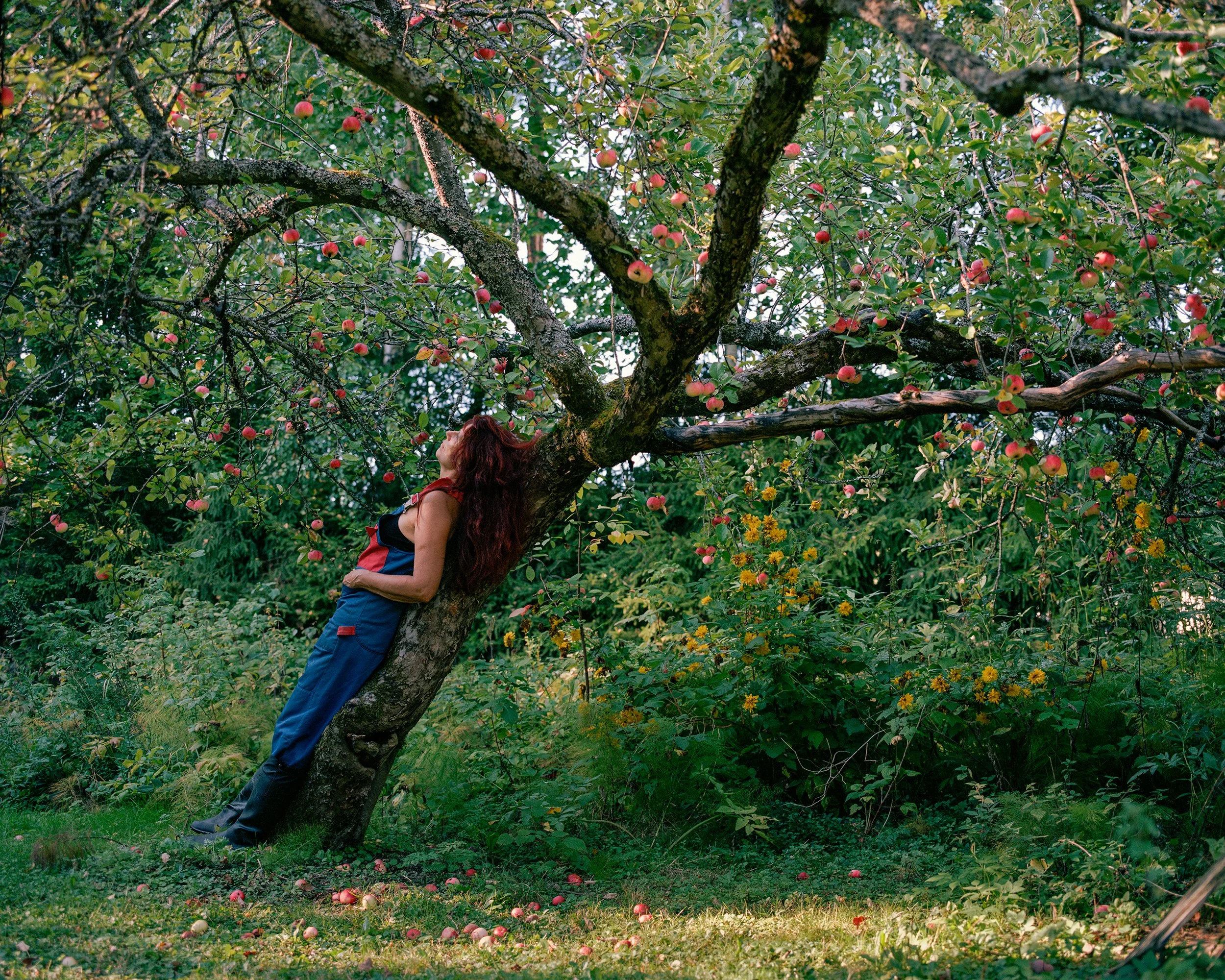
Ritva Tuomi & Lumi Tuomi. Lahja (Kanneljärven tammi). 2025. Analogue photograph.
Exhibited at Poriginal gallery, Porin Art Museum, 24.04. – 18.06.2026
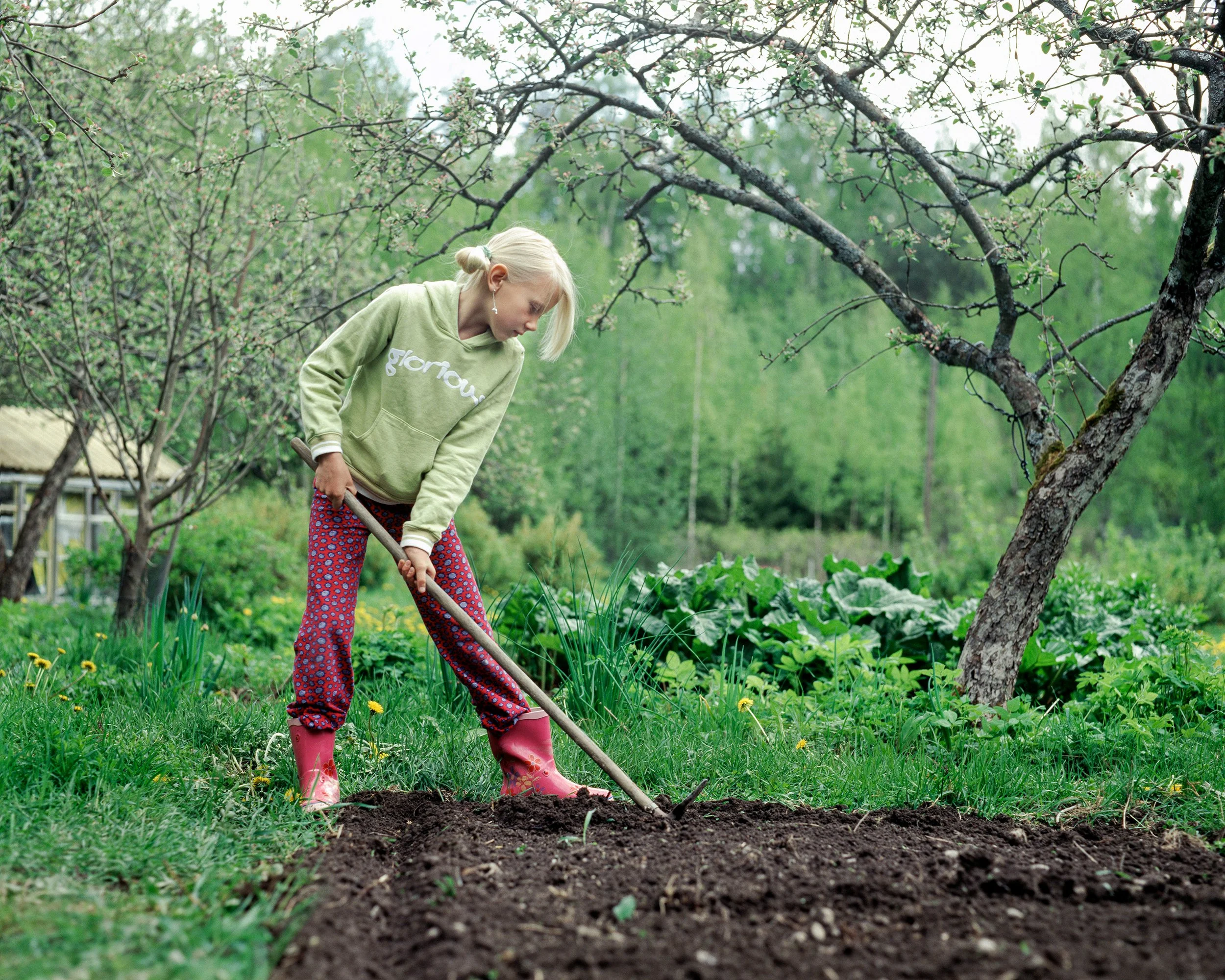
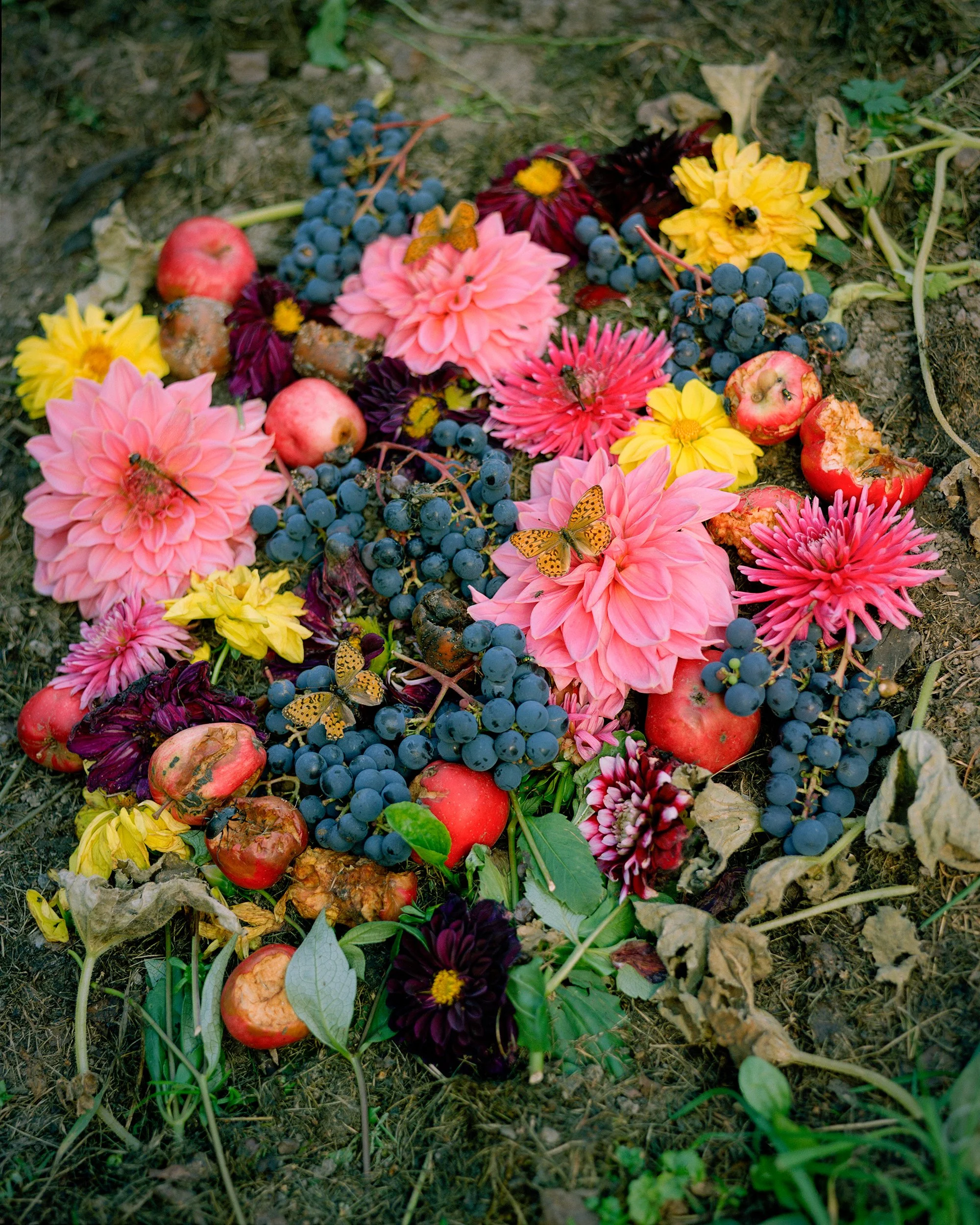
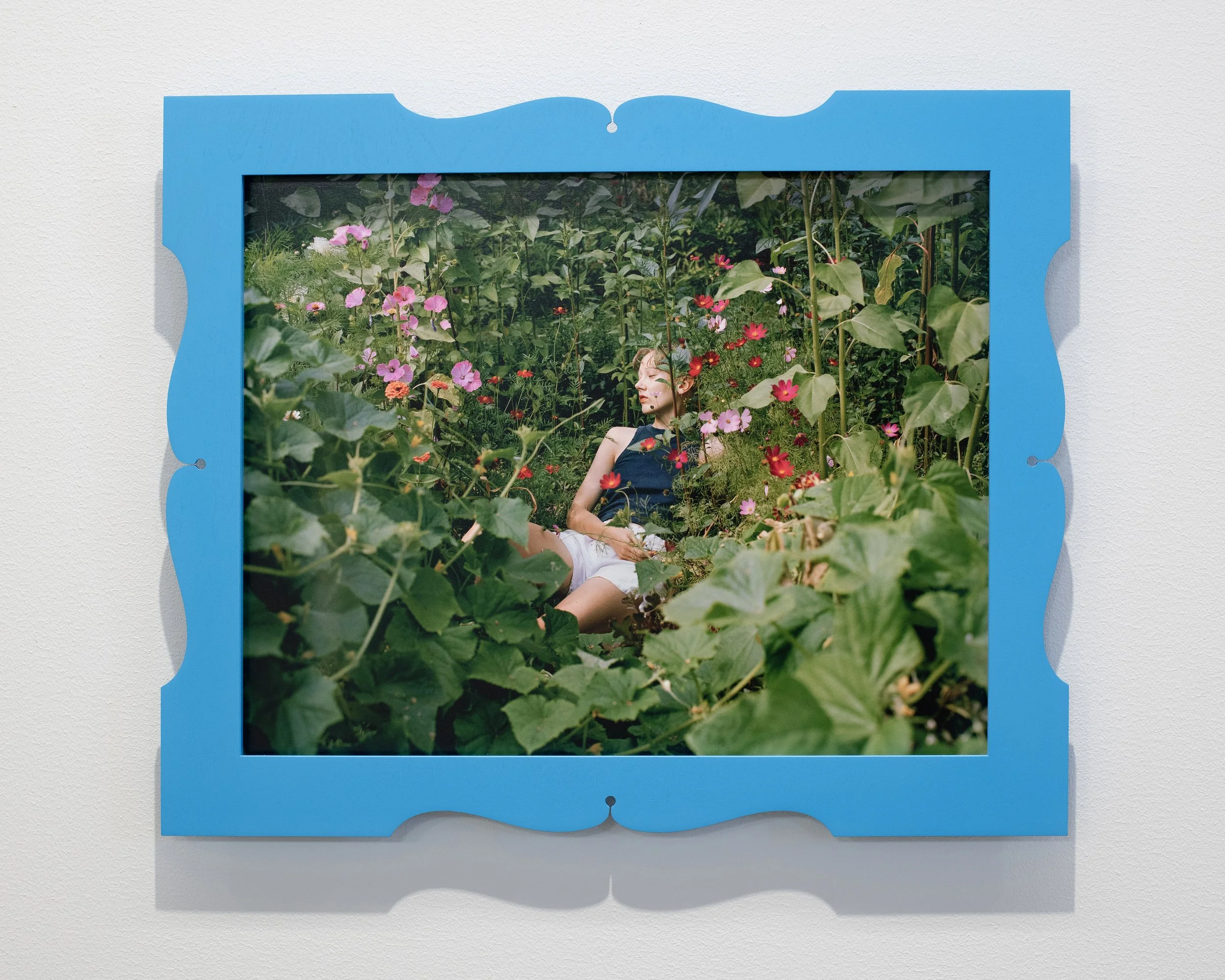
Muaman sadu (Äidin puutarha) tarkastelee kolmen karjalaisen sukupolven arkea yhteisen puutarhan syleilyssä syventyen ihmisten ja kasvien kutoutuneisiin kohtaloihin. Elämänkaaren läpäisevässä kokonaisuudessa kahden taiteilijasukupolven valokuvat limittyvät ja hahmottavat puutarhaa karjalaisen kulttuuriperinnön elävänä arkistona.
Sodan jälkeen karjalaisilla evakoilla vuosisatoja kestäneet yhteydet kasveihin, vesistöihin ja maahan katkesivat. Monille evakoille ja heidän perheilleen uusille paikkakunnille perustetut pihamaat ja puutarhat muodostuivat toisinnoiksi menetetystä kodista, turvapaikoiksi, joissa omaa kulttuuria voitiin harjoittaa.
Näyttely tuo esiin maatiais- ja perinnekasvien sekä rajantakaisesta Karjalasta evakkojen tuomien siementen ja taimien merkityksen. Kokonaisuuden teokset peilaavat kasviperintöä uhanalaiseen karjalan kieleen ja hiipuviin puutarhanhoidon perinteisiin, kulttuurin monimuotoisuuteen, joka katoaa ilman ihmisten huolenpitoa.
Teosten keskiössä on taiteilijoiden äidin ja isoäidin Maijun sukupihalle Espooseen sekä kesämökille Vihtiin perustamat puutarhat, joita he hoitavat yhdessä. 80-luvulta nykyhetkeen kipuavassa kokonaisuudessa taiteilijat tutkivat millä tavoin karjalaisuus on taltioitunut heidän valokuviinsa, jotka muodostuvat sukupolvien ja lajien väliseksi yhteistyöksi.
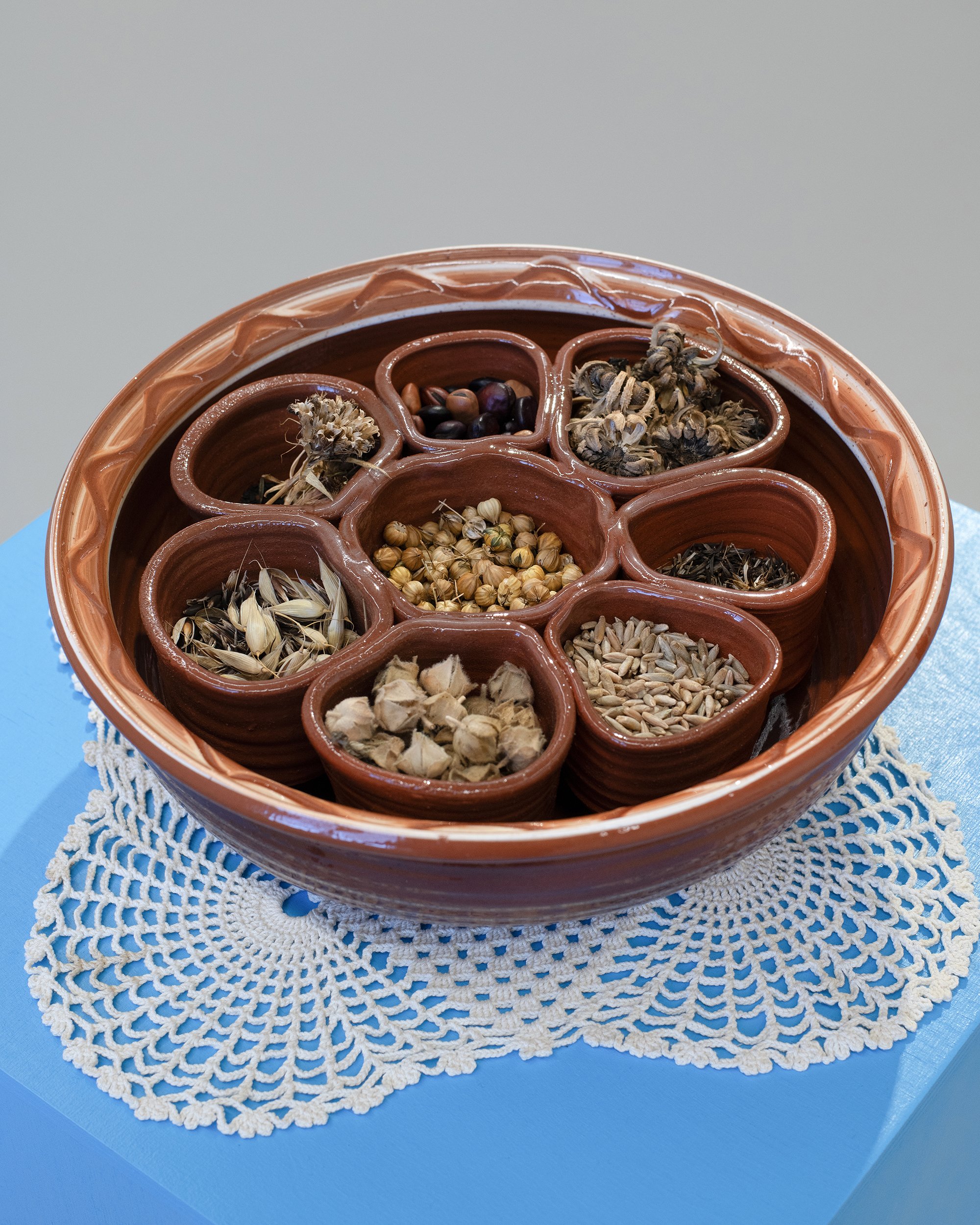
Näyttely pyrkii herkistämään katsojan maatiaiskasvien ja kulttuuriperinnön vaatimalle ylläpitotyölle mutta myös ihmisten ja luonnon yhteiselle elpymiselle puutarhassa. Osallistava Pala maata -teos kutsuu kirjaimellisesti kokemaan haavoittuvaisen siemenen arvon ja halutessaan kuljettamaan sen mukanaan.
Muaman sadu (Mother’s Garden) examines the everyday life of three generations of Karelians in the embrace of a shared garden, investigating the intertwined fates of people and plants. In the exhibition, photographs by two generations of artists merge and depict the garden as a living archive of Karelian culture
After the war, Karelian evacuees lost their centuries-old connections to plants, waterways and the land. For many evacuees and their families, the yards and gardens established in new localities became replicas of their lost homes, places of refuge where their own culture could be practiced.
The exhibition highlights the significance of heirloom and traditional plants, as well as the seeds and seedlings brought by evacuees from Karelia across the border. The works mirror plant heritage to the endangered Karelian language and fading traditions of gardening — diverse cultural heritage that would disappear without human care.
At the heart of the exhibition are gardens established in a shared family yard in Espoo and cottage in Vihti by the artists’ mother and grandmother Maiju, that they tend to together. In the works spanning the 1980s to the present, the artists examine how Karelian culture has preserved in their works, which have become a collaboration between generations and species.
The exhibition aims to sensitise the viewer to the labour of preserving heirloom plants and cultural heritage, but also to the shared recovery of people and nature in the garden. The participatory work Pala maata (Piece of Land) invites you to physically experience the value of a delicate seed and, if you wish, to carry it with you.